Manufacturing Entrepreneurs in Noida business story is often associated with technology, startups and corporate offices, but there is another side of the city that deserves equal attention: manufacturing.
Behind the industrial growth of Noida and Greater Noida are entrepreneurs who have built businesses around electronics, consumer appliances, packaging, engineering, prefabricated structures and smart technology.
The manufacturing entrepreneurs in Noida represent a different type of wealth-creation story. Their businesses depend on factories, machinery, engineering capabilities, supply chains, product development and long-term relationships with customers.
Recent reporting on Uttar Pradesh’s wealth landscape shows that the state’s wealthy business community spans electronics, industry, food products, software, healthcare, aerospace and several other sectors. Noida had the largest city-level representation in the 2026 M3M Hurun India Rich List, although that list should not be treated as a complete directory of every manufacturing entrepreneur in the city.
The New Face of Manufacturing in Noida
Modern manufacturing is very different from the traditional factory model.
Companies operating from Noida and Greater Noida increasingly combine:
- Engineering
- Product design
- Electronics
- Automation
- Research and development
- Supply-chain management
- Technology
- Assembly
- Export operations
This has created opportunities for entrepreneurs who can understand both the industrial and commercial sides of a business.
Bajrang Bothra: Building a Diversified Manufacturing Group
Bajrang Bothra is one of the important names connected with the EPACK manufacturing group.
He serves as Chairman and Whole-time Director of EPACK Durable. The company’s official leadership profile states that he has approximately 27 years of experience in the electronics manufacturing sector.
His business interests extend beyond one manufacturing category.
The wider EPACK Group has developed businesses covering consumer durables, pre-engineered buildings, EPS packaging and petrochemical-related manufacturing. The group traces its establishment to 1999.
Why His Business Model Matters
The EPACK story demonstrates how an entrepreneur can build a manufacturing group by operating across related industrial segments instead of depending on one product.
That diversification can provide businesses with multiple sources of revenue while also creating opportunities to share manufacturing, engineering and operational capabilities.
Ajay D. D. Singhania: Engineering-Led Manufacturing Leadership
Ajay D. D. Singhania is another prominent business leader associated with EPACK.
He serves as Managing Director and Chief Executive Officer of EPACK Durable. According to the company’s official profile, he has around 24 years of experience in electronics manufacturing.
His educational background includes electrical engineering and an MBA, while his responsibilities at EPACK cover areas including sales and marketing, production, supply chain and research and development.
From Factory Operations to Business Strategy
Modern manufacturing requires more than production capacity.
Companies need to manage sourcing, product development, quality control, customer relationships and technology.
Ajay Singhania’s role illustrates this wider management approach, where manufacturing leadership includes both technical and commercial responsibilities.
Sanjay Singhania: Expanding the Industrial Base
Sanjay Singhania is another promoter associated with the EPACK group.
EPACK’s official information states that he has around 24 years of experience in electronics manufacturing and contributes to areas including finance, accounts, legal, information technology and human resources.
The broader EPACK Group also has a significant presence in pre-engineered buildings and packaging.
The Importance of Diversification
Manufacturing businesses often face changing raw-material costs, demand cycles and competition.
Diversifying across industrial segments can create additional business opportunities.
EPACK’s evolution from packaging into consumer durables and infrastructure-related manufacturing provides an example of this strategy.
Laxmi Pat Bothra: Experience Behind Industrial Expansion
Laxmi Pat Bothra is another promoter associated with EPACK Durable.
The company’s official promoter profile states that he has a Diploma in Mechanical Engineering and approximately 27 years of experience in the electronics manufacturing sector.
His background highlights the importance of technical knowledge in industrial entrepreneurship.
Manufacturing businesses require people who understand machinery, production processes, engineering standards and operational efficiency.
EPACK Durable and the Noida Manufacturing Story
EPACK Durable is particularly relevant when discussing the financial development of Noida’s manufacturing ecosystem.
The company manufactures consumer durable products and has its registered office in Greater Noida, while its corporate office is in Sector 136, Noida.
Its business covers consumer appliances and manufacturing services for brands.
The company has developed into a publicly listed enterprise, giving investors another way to participate in India’s consumer-durables manufacturing sector.
Shishir Gupta: Smart Technology Manufacturing in Noida
Shishir Gupta provides a different example of Noida entrepreneurship.
He is a founder of Oakter, a company working in smart technology and electronic products.
Current company information identifies Shishir Gupta and Varun Gupta as Oakter’s founders, with the company headquartered in Noida.
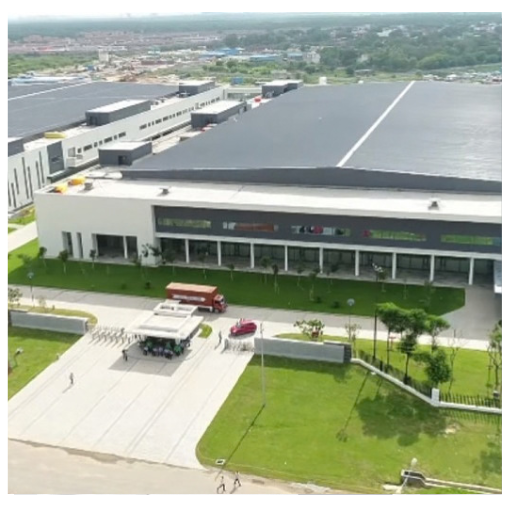
Oakter’s own website describes its Noida manufacturing operations as including more than 100,000 square feet of factory area, with production facilities supporting energy, cooling and smart-technology products.
Technology Meets Manufacturing
Oakter demonstrates how manufacturing entrepreneurs are increasingly working at the intersection of hardware and software.
Its product ecosystem includes areas such as:
- Energy technology
- Smart devices
- Electronics
- EV charging
- Consumer technology
- Connected products
This is an important shift because India’s manufacturing growth increasingly depends on technology integration.
Varun Gupta: Building Products for the Indian Market
Varun Gupta is Oakter’s co-founder alongside Shishir Gupta.
Oakter’s business model focuses on products designed for Indian conditions, combining product development with local manufacturing.
The company says its manufacturing facilities in Noida and Alwar support its technology-product portfolio.
A Different Route to Business Wealth
Unlike a large legacy industrial company, a technology-manufacturing startup can build value through product innovation.
Its financial growth can depend on:
- Product adoption
- Manufacturing scale
- Distribution
- Intellectual property
- Customer relationships
- Operational efficiency
This creates a different wealth-creation model from traditional manufacturing.
How Manufacturing Businesses Create Wealth
The financial profile of a manufacturing entrepreneur is usually connected with the value of the underlying business.
Several factors influence that value.
Company Ownership
Promoters who retain substantial ownership can see their wealth rise as the value of their businesses increases.
Manufacturing Capacity
Factories and production capabilities can create long-term competitive advantages.
Product Demand
A strong product portfolio can help companies increase sales and expand into new markets.
Brand Relationships
OEM and ODM manufacturers can develop long-term relationships with major consumer brands.
Technology
Automation, electronics and product engineering can improve manufacturing efficiency.
Revenue Is Not the Same as Personal Wealth
This distinction is especially important for a finance article.
If a manufacturing company generates ₹1,000 crore in revenue, it does not mean that the promoter personally owns ₹1,000 crore.
Revenue is the company’s business income.
Personal wealth is influenced by factors such as:
- Shareholding
- Private business ownership
- Listed equity
- Investments
- Property
- Other assets
- Liabilities
Therefore, when discussing the wealth of manufacturing entrepreneurs, it is better to use reported wealth estimates only when a credible source provides them.
For the entrepreneurs covered here, current reliable sources provide strong evidence of their company roles and business activities, but that does not automatically establish an exact personal net-worth figure.
Noida’s Manufacturing Ecosystem Is Becoming More Diverse
The manufacturing environment around Noida is no longer based on a single industrial model.
It now includes:
Consumer Electronics
Appliances, electronics and connected devices.
Packaging
EPS and industrial packaging solutions.
Pre-Engineered Buildings
Factory and infrastructure structures manufactured using industrial processes.
Smart Technology
Connected products and energy-related devices.
Industrial Engineering
Production systems and technical manufacturing capabilities.
This diversity makes the Noida-Greater Noida region increasingly relevant to India’s wider manufacturing economy.
Why Greater Noida Is Also Important
It would be incomplete to discuss Noida manufacturing without mentioning Greater Noida.
Several manufacturing businesses use the broader Gautam Buddha Nagar industrial belt rather than restricting operations to central Noida.
EPACK Durable’s registered office, for example, is in Surajpur, Greater Noida, while its corporate office is in Noida Sector 136.
This demonstrates how the two cities function as part of a wider industrial and commercial ecosystem.
Manufacturing and the Next Phase of Wealth Creation
The next generation of manufacturing businesses is likely to be more technology-driven.
Companies will increasingly depend on:
- Automation
- Artificial intelligence
- Electronics
- Energy efficiency
- Advanced materials
- Digital supply chains
- Product engineering
- Smart manufacturing
Entrepreneurs who combine industrial knowledge with technology can potentially build businesses that serve both Indian and international markets.
The current Noida ecosystem already shows signs of this transition through consumer electronics, smart technology and advanced manufacturing businesses.
A Financial View of Noida’s Industrial Entrepreneurs
From a finance perspective, manufacturing entrepreneurship offers an interesting model of long-term wealth creation.
Instead of relying only on personal income, entrepreneurs can build value through ownership of operating businesses.
As businesses expand, their value can be affected by:
- Revenue growth
- Profitability
- Market share
- Production capacity
- Assets
- Debt levels
- Investor interest
- Future growth expectations
For listed businesses, market prices can change frequently. For private businesses, valuations may be based on investment transactions or other financial assessments.
That is why a wealth profile should always identify the source and date of an estimate.
Frequently Asked Questions
Newer and less-covered names associated with the Noida manufacturing ecosystem include Bajrang Bothra, Ajay D. D. Singhania, Sanjay Singhania, Laxmi Pat Bothra, Shishir Gupta and Varun Gupta. Their businesses span consumer durables, electronics, packaging, infrastructure and smart technology.
Bajrang Bothra is Chairman and Whole-time Director of EPACK Durable and is associated with the wider EPACK manufacturing group.
The wider EPACK Group operates across consumer durables, EPS packaging, pre-engineered buildings and petrochemical-related manufacturing.
Oakter was founded by Shishir Gupta and Varun Gupta in 2015 and is headquartered in Noida.
Final Thoughts
The story of manufacturing entrepreneurs in Noida is becoming increasingly diverse.
Bajrang Bothra, Ajay D. D. Singhania, Sanjay Singhania and Laxmi Pat Bothra represent an industrial group that has expanded across consumer durables, packaging and infrastructure-related manufacturing.
Shishir Gupta and Varun Gupta represent another direction, where technology products and local manufacturing are combined to create businesses designed for the Indian market.
Together, these businesses show that Noida’s manufacturing economy is not limited to one product or one generation of entrepreneurs. It includes established industrial groups as well as technology-led manufacturing companies.
For a finance-focused audience, the most useful way to study these entrepreneurs is not simply to attach a large wealth number to their names. It is to understand how their companies were built, what they manufacture, where their businesses operate and how ownership can translate business growth into long-term wealth.